A short history of Lake Natron
People have lived around Lake Natron for thousands of years. The footprints at Engare Sero show that humans walked on the muddy ash here at the end of the Pleistocene or in the earliest Holocene. Today the Maasai live around the lake, and a local community organisation runs visits with Maasai guides. For the Maasai, Ol Doinyo Lengai is the Mountain of God.
The modern history of the lake is about protection and pressure. The basin was listed as a Ramsar wetland in 2001, plans for a soda ash plant came and went, and new roads and an airstrip are changing how people arrive. If you want to see the place itself, start with the Lake Natron tours; this page explains the background.
Lake Natron and the Maasai
People first, then protection.
The lake lies in Maasai land, and local Maasai are the ones who found the footprint site. They told researchers about it in 2008. A research team visited in 2009, and excavations ran from 2009 to 2012. Visits today are organised through a community organisation with Maasai guides, and fees paid to it are part of the cost of the trip, see Lake Natron fees. Please follow local guidance when you take photographs of people, homes and animals, and ask first.
On the way between Mto wa Mbu and the lake lie the remains of Engaruka: irrigated fields laid out on stone terraces, in use around the 16th and 17th centuries. Who built them and when exactly the site was left are open questions.
Our pick: a Lengai trip with a Maasai boma
A 3-day trip that includes a visit to a Maasai boma, next to the mountain the Maasai call the mountain of god.
Hand-picked tours, booked through GetYourGuide. Prices are indicative starting prices in US dollars (as of October 2026). Tap a tour for live availability and the current price in your currency.
Lake Natron tours and safaris
Tours and safaris in northern Tanzania that you can combine with Lake Natron, with live prices and availability.
Lake Natron soda ash plans
A timeline of the mining question, from 2006 to 2026.
2006 and 2008
A plan for a soda ash plant involved the company Tata and the National Development Corporation (NDC). Tata withdrew in 2008 after strong opposition. Later NDC ideas kept the topic alive, so the withdrawal was not a lasting ban.
Early 2025
New large-scale extraction plans came up for discussion, and conservation groups campaigned against them.
August 2025
The government announced that large-scale extraction would not be allowed. Traditional small-scale collection from the surface continues to be permitted.
February 2026
Conservationists still describe the project as a threat and call for a complete ban. The legal question is not closed.
Why the lake matters so much: Lake Natron is East Africa's main regular breeding site for lesser flamingos, although breeding can fail entirely in bad years. Nests are never open to visitors. The flamingo page covers the birds in detail.
Roads, an airstrip and the volcano
Access and activity have changed over the last years.
In 2023 a 49 km section between Wasso and Sale on the Loliondo to Mto wa Mbu road was opened in May 2023. That does not mean the whole route is paved, and conditions after rain can still change your travel time. Construction of an airstrip at Engaresero began in May 2025 and was due to finish in June 2026, followed by an inspection by the Tanzania Airports Authority. In August 2026 an airline announced daily scheduled flights serving the lake. See getting there for the current options.
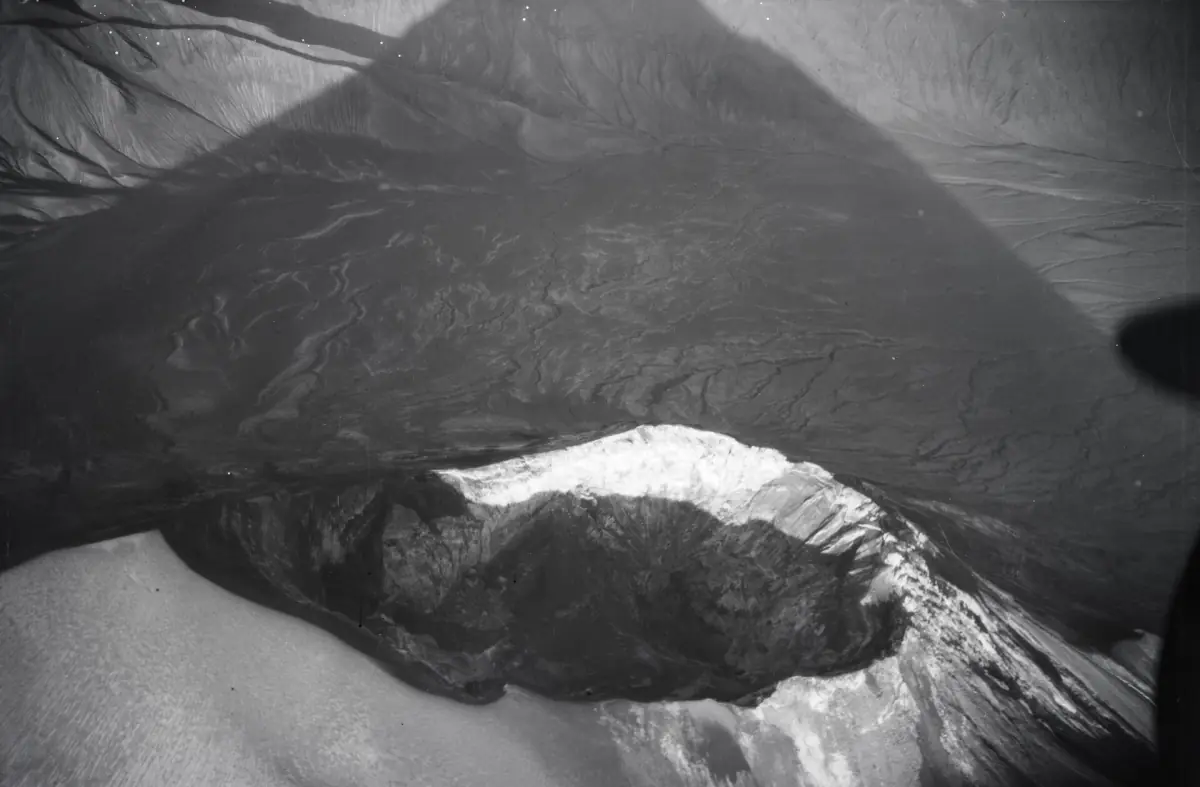
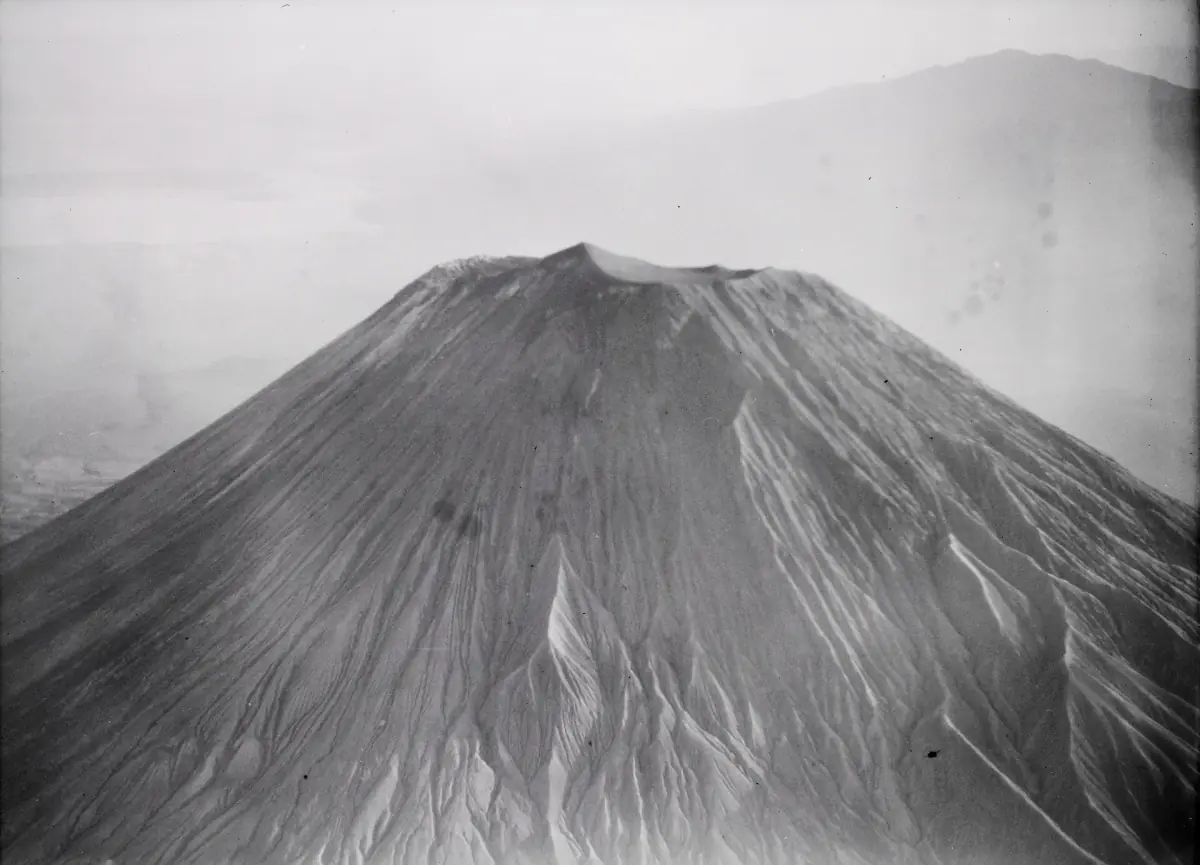
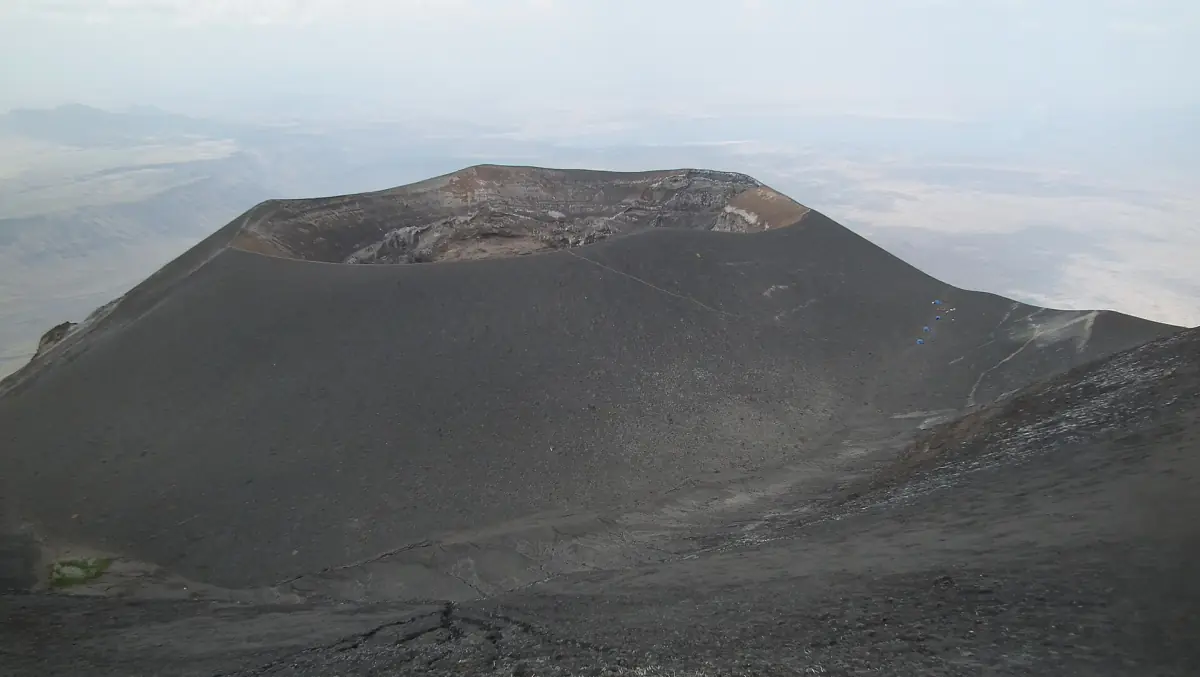
Ol Doinyo Lengai had an explosive phase in 2007 and 2008. Its current eruption period began in April 2017 and was still continuing in March 2026. The 1929 and 1930 aerial photographs on this site show how the crater looked in those years. The crater can change shape from year to year, so an old summit photo is not a guide to the route. See Ol Doinyo Lengai.
Loliondo and the wider region
Background for travellers heading on to the Serengeti.
Many travellers continue from the lake towards the Serengeti through the Loliondo area. Land and access questions in Loliondo and Ngorongoro have drawn UN attention since 2022, and the Tanzanian government has denied the allegations. This is background to the history of the region and does not mean the route past the lake is closed. For the Maasai side of the highlands, see the Maasai in Ngorongoro.
Lake Natron history: frequently asked questions
Who lives around Lake Natron?
The Maasai live around the lake. A community organisation with Maasai guides runs visits to the waterfall, the footprints and the lake shore.
Is Lake Natron a protected area?
Yes. The Lake Natron Basin has been a Ramsar wetland since 4 July 2001, covering 224,781 ha. That is a wetland listing and does not make the lake a national park or a World Heritage site.
Will soda ash be mined at Lake Natron?
Large-scale mining plans have come back more than once. In August 2025 the government announced that large-scale extraction would not be allowed, while small-scale traditional collection continues. Conservationists still call for a complete ban.
Is the volcano still active?
Yes. Ol Doinyo Lengai had an explosive phase in 2007 and 2008, and its current eruption period began in April 2017.
How old are the Engare Sero footprints?
Scientific dating places them between about 5,800 and 19,000 years ago, most likely at the end of the Pleistocene. See the footprints page.